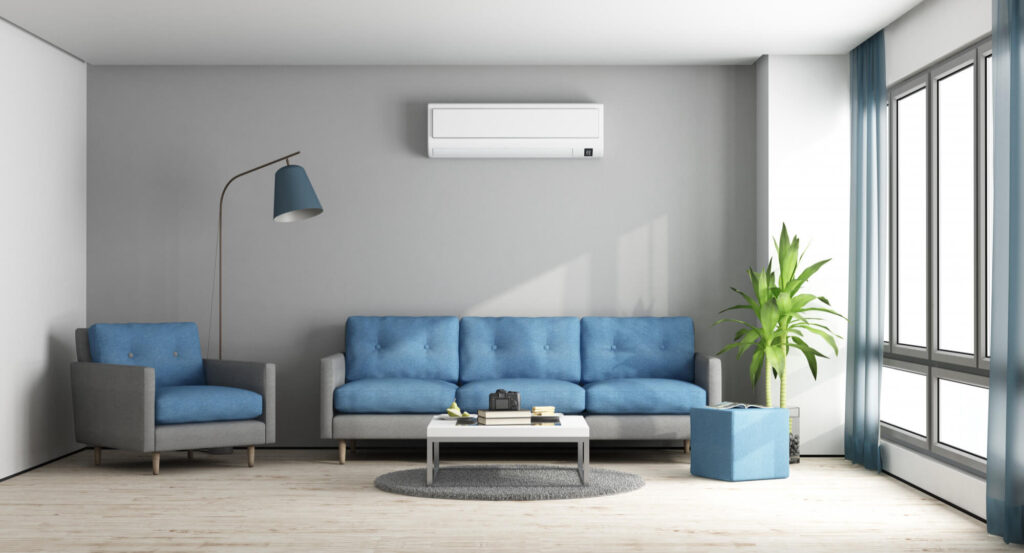
In recent years, ductless heating and cooling systems have gained significant traction among homeowners and businesses seeking efficient and flexible climate control solutions. These systems, also known as mini-split systems, offer an innovative approach to temperature regulation by eliminating the need for traditional ductwork. As consumers become increasingly aware of the need for energy-efficient solutions, ductless systems provide a compelling alternative to conventional HVAC setups. This article explores the numerous benefits of these systems and why they might be the perfect solution for modern heating and cooling needs.
Energy Efficiency
One of the most prominent benefits of ductless heating and cooling systems is their superior energy efficiency. Unlike traditional HVAC systems that can suffer from energy losses through ductwork, ductless systems deliver air directly to different zones. This direct method ensures minimal energy waste, leading to significant savings on energy bills.
- Eliminates energy losses associated with ductwork.
- Efficiently heats or cools individual rooms as needed.
- Can reduce energy consumption by 30% compared to conventional systems.
Flexibility and Zoning
Ductless systems provide unparalleled flexibility in terms of design and installation. These systems consist of an outdoor unit and one or more indoor units that can be strategically placed throughout a building.
- Allows for individual temperature control in different rooms or zones.
- Ideal for homes with limited space or unique architectural designs.
- Can be installed in new constructions, retrofits, or additions.
Customization of Comfort
With the ability to control the temperature in specific zones, ductless systems cater to personalized comfort preferences. This zoning capability means that one area can be cooled while another can be heated, adapting to varied comfort needs within the same building.
Easy Installation
The ductless hvac installation process is often simpler and quicker than that of traditional systems. Without the need for extensive ductwork, installation can be completed with minimal disruption to the existing structure.
- Quick and non-invasive installation process.
- Perfect for remodeling projects and older homes.
- Minimal installation costs and time compared to traditional systems.
Improved Indoor Air Quality
Ductless systems can also contribute to better indoor air quality. Traditional duct systems can accumulate dust, pollen, and other allergens that circulate throughout the home. Ductless systems, however, feature multi-stage filtration that reduces dust, bacteria, and other particulates.
- Multi-stage filtration improves air quality.
- Reduces allergens and pollutants in the air.
- Provides a healthier indoor environment.
Environmental Impact
With growing concerns about environmental sustainability, ductless systems offer a greener alternative. They use refrigerants that have a lower environmental impact compared to those used in older systems, aligning with modern environmental standards.
- Utilizes eco-friendly refrigerants.
- Reduces carbon footprint compared to traditional systems.
- Contributes to a sustainable living environment.
Conclusion
Ductless heating and cooling systems present a versatile, efficient, and environmentally friendly solution for modern climate control needs. With benefits ranging from energy efficiency to improved air quality, these systems cater to the diverse needs of today’s consumers. For those considering an upgrade or new installation, exploring the potential of ductless systems may provide the optimal balance of comfort, cost savings, and sustainability.