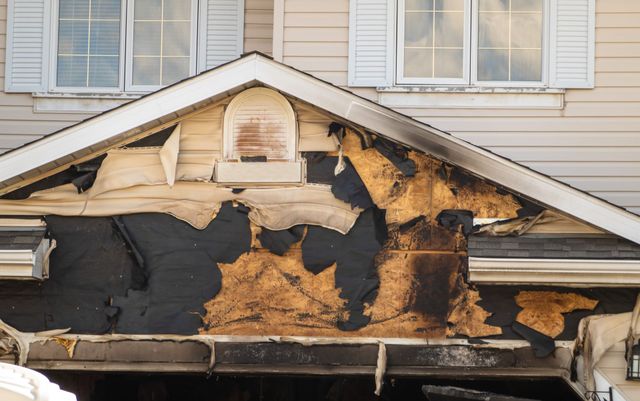
Water damage can strike unexpectedly and cause significant disruption to homes and businesses. Whether it’s due to a burst pipe, natural flooding, or a leaking roof, addressing water damage swiftly is essential to minimize further damage and mitigate health risks. Timely and effective water damage restoration involves a series of steps that require expertise and precision. This article explores essential solutions for rapid water damage restoration and highlights expert strategies that can be employed to handle such situations effectively.
Understanding Water Damage
Water damage is not just about the immediate impact of water on property but also the long-term effects it can have if not addressed promptly. It leads to various issues, including:
- Mold growth due to moisture retention.
- Structural damage to buildings.
- Health risks from contaminants in water.
- Electrical hazards from water infiltration.
Understanding the severity and type of water damage is crucial in selecting the appropriate restoration strategy. Discover expert strategies here to tackle different scenarios effectively.
Key Steps in Water Damage Restoration
Effective water damage restoration requires a systematic approach. Below are the key steps involved:
1. Assessment and Inspection
Professionals conduct a thorough assessment to determine the extent of damage and identify the source of water intrusion. This step is critical in formulating a restoration plan. Learn about our tailored solutions for assessing and inspecting water damage effectively.
2. Water Removal
This involves using specialized equipment like pumps and vacuums to remove standing water from the affected area. Quick water removal is crucial to prevent further saturation and damage.
3. Drying and Dehumidification
After water removal, the next step is drying the area to eliminate moisture. Industrial-grade dehumidifiers and air movers are used to expedite this process, ensuring that all moisture is eradicated. Explore advanced guides and tips on effective drying techniques.
4. Cleaning and Sanitizing
Once the area is dry, the cleaning process begins. This involves sanitizing to remove any contaminants and prevent mold growth. Specialized cleaning agents and techniques are employed to ensure safety and hygiene.
5. Restoration and Repairs
The final step involves repairing and restoring the damaged areas to their pre-damage condition. This may include reconstructing walls, floors, and other structural elements affected by water damage.
Advanced Technologies in Water Damage Restoration
With advancements in technology, water damage restoration has become more efficient and effective. Some of the technologies used include:
- Infrared cameras to detect hidden moisture.
- Advanced drying equipment for rapid moisture removal.
- State-of-the-art dehumidifiers for comprehensive drying.
These technologies enhance the precision and speed of the restoration process, ensuring optimal results. Find out more about this approach and how technology plays a critical role in modern restoration efforts.
Conclusion
Water damage restoration is a multifaceted process that requires expertise, advanced technology, and a systematic approach. By understanding the steps involved and leveraging the right strategies, effective restoration can be achieved, mitigating the impact of water damage on properties. For those seeking professional guidance, exploring these expert strategies could be invaluable in ensuring a swift and thorough recovery from water-related incidents.