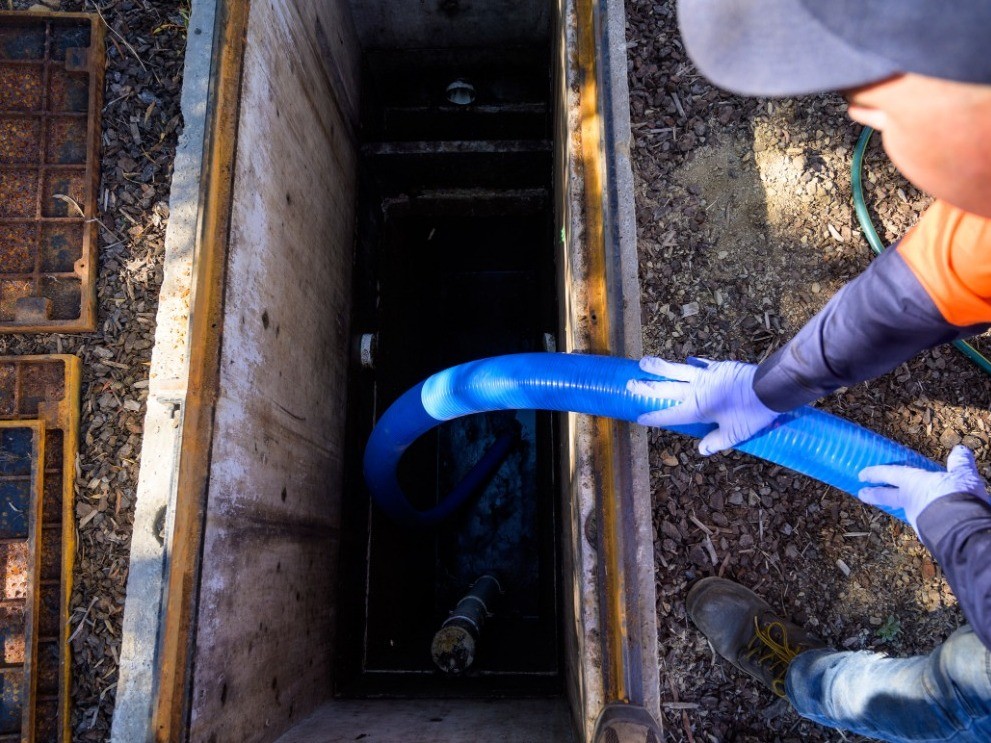
Restaurants, food processing plants, and other facilities that handle large quantities of food often encounter the inevitable challenge of managing grease waste. A grease trap plays a pivotal role in separating fats, oils, and greases (FOG) from wastewater before it enters the sewer system. However, maintaining these traps is crucial not only for efficient operation but also to ensure compliance with environmental standards. Professional grease trap cleaning services provide the necessary expertise to maintain these systems, ensuring both compliance and efficiency in operations.
The Importance of Regular Grease Trap Cleaning
Consistent cleaning of grease traps is vital for several reasons:
- Prevention of Blockages: Continuous build-up of FOG can cause severe blockages, leading to slow drainage and potential backflows.
- Regulatory Compliance: Environmental agencies have strict regulations regarding waste disposal. Regular cleaning ensures adherence to these standards.
- Odor Control: Accumulated grease and waste can produce unpleasant odors, affecting the environment of the establishment.
- Operational Efficiency: A clean grease trap functions more efficiently, reducing the risk of unexpected downtime and repair costs.
To understand more about the importance of regular maintenance and cleaning, discover expert strategies here.
Key Steps in Professional Grease Trap Cleaning
Assessment and Planning
Professional services begin with a thorough assessment of the grease trap system. This involves:
- Identifying the Type and Size: Grease traps vary in design and capacity, and cleaning techniques are tailored to these specifications.
- Evaluating Usage Patterns: Understanding the volume and frequency of grease production helps in scheduling regular cleanings.
To see how tailored solutions can fit specific needs, learn about our tailored solutions.
Cleaning Process
The cleaning process typically involves several key stages:
- Removing the Grease Layer: The accumulated FOG is carefully removed to prevent it from disrupting the sewer system.
- Scraping and Washing: The interior surfaces are scraped and washed to remove residual waste.
- Inspection for Damage: Checking for any signs of wear or damage that could affect trap integrity.
For advanced guides and tips on how to efficiently carry out these procedures, explore advanced guides and tips.
Environmental and Economic Benefits
Adopting regular cleaning schedules not only ensures compliance but offers several benefits:
- Environmental Protection: Properly maintained grease traps prevent harmful FOG from entering water systems.
- Cost Savings: Regular maintenance reduces the need for costly repairs and emergency services.
- Improved Public Image: Establishments that adhere to environmental standards enhance their reputation.
To find out more about this approach and its benefits, find out more about this approach.
Conclusion
Regular professional grease trap cleaning is an essential practice for any establishment dealing with grease and oil waste. It ensures the operational efficiency of the establishment, maintains compliance with environmental regulations, and provides numerous economic and environmental benefits. By investing in professional services, businesses can not only protect their operations but also contribute positively toward environmental sustainability. For more detailed information on implementing these practices effectively, visit this page.