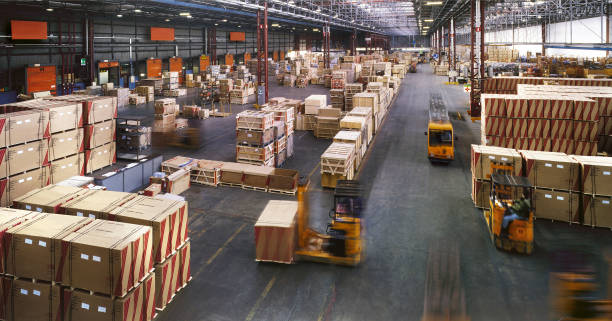
In the realm of international logistics, export pallets play a pivotal role in the seamless transportation of goods across borders. With the complexities involved in global shipping, selecting the right pallet is a crucial decision that can affect the efficiency and cost-effectiveness of the supply chain. Understanding the key considerations for using export pallets can help businesses mitigate risks and enhance their shipping operations.
Types of Export Pallets
Export pallets come in various materials, each with its own set of advantages and disadvantages. Selecting the appropriate type depends on several factors, including the nature of the goods, destination country regulations, and budget constraints.
Wooden Pallets
- Durability: Wooden pallets are robust and can support heavy loads, making them suitable for a wide range of products.
- Cost-Effectiveness: They are generally more economical compared to other types of pallets.
- Regulatory Compliance: Many countries require wooden pallets to be heat-treated or fumigated to prevent pest infestation.
Plastic Pallets
- Hygiene: Plastic pallets are resistant to moisture and chemicals, making them ideal for transporting food and pharmaceuticals.
- Longevity: They have a longer lifespan and are often reusable.
- Environmental Concerns: While more durable, plastic pallets can be less environmentally friendly unless they are made from recycled materials.
Metal Pallets
- Strength: Metal pallets offer superior strength and are excellent for extremely heavy loads.
- Security: They provide additional security for high-value shipments.
- Cost: These pallets can be more expensive and are typically used for specialized shipping needs.
Compliance and Regulations
Adhering to international shipping regulations is crucial for the successful transport of goods. Various countries have specific requirements for export pallets, especially concerning pest control and material standards.
- ISPM 15: The International Standards for Phytosanitary Measures No. 15 (ISPM 15) is a regulation that requires wooden pallets to be treated to prevent the spread of pests.
- Material Restrictions: Some countries may have restrictions on certain pallet materials, necessitating a thorough understanding of destination-specific regulations.
- Documentation: Accurate documentation is essential to ensure compliance and avoid delays at customs.
Load Capacity and Dimensions
Understanding the load capacity and dimensions of export pallets is crucial for optimizing logistics operations. Pallets must be strong enough to support the weight of the goods without compromising structural integrity.
- Standard Sizes: Familiarity with standard pallet sizes, such as the Euro Pallet (1200mm x 800mm) and the North American Pallet (48 inches x 40 inches), aids in efficient space utilization.
- Weight Considerations: Overloading can lead to pallet failure, so it is important to adhere to the specified weight limits.
- Stacking: Proper stacking techniques ensure stability during transit, minimizing the risk of damage.
Environmental Impact
With increasing emphasis on sustainability, businesses are encouraged to consider the environmental impact of their pallet choices. Opting for sustainable pallet options not only aids in environmental conservation but can also enhance brand reputation.
- Recyclability: Choosing pallets made from recyclable materials can reduce waste and promote sustainability.
- Carbon Footprint: Lightweight pallets can reduce fuel consumption and greenhouse gas emissions during transportation.
- Reuse Programs: Implementing pallet reuse programs can further minimize environmental impact and reduce costs.
Conclusion
The selection of export pallets is a critical component of international shipping that demands careful consideration. By understanding the different types of pallets, compliance requirements, load capacities, and environmental impacts, businesses can enhance the efficiency and sustainability of their global supply chains. For those looking to optimize their shipping operations, investing in the right export pallets is an essential step toward achieving logistical success.