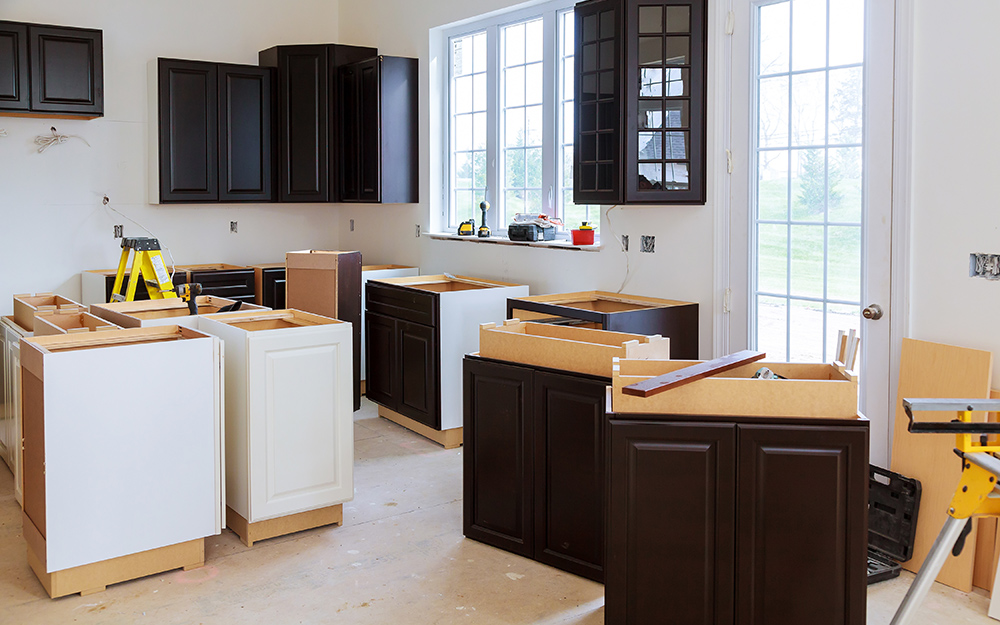
Installing kitchen cabinets can transform the heart of a home, enhancing both its aesthetics and functionality. However, achieving a flawless installation requires careful planning and execution. Whether you’re a seasoned DIY enthusiast or a novice, understanding the nuances of a kitchen cabinet installation can make a significant difference in the outcome. This guide offers expert insights and tips to ensure a successful kitchen cabinet installation.
Prepare for Installation
Preparation is key to a successful cabinet installation. Proper planning can prevent costly mistakes and ensure a smooth process.
- Measure Accurately: Begin by taking precise measurements of your kitchen space. Accurate measurements are essential for selecting cabinets that fit perfectly.
- Gather Tools: Assemble all necessary tools such as a measuring tape, level, drill, and screws. Having everything on hand will streamline the installation process.
- Check the Walls: Ensure that the walls where the cabinets will be installed are straight and sturdy. This might involve patching or reinforcing areas as necessary.
Installation Process
The installation process involves several critical steps that require attention to detail and precision.
Start with Upper Cabinets
It’s beneficial to install upper cabinets before lower ones. This approach provides more room to work and reduces the risk of damaging lower cabinets.
- Mark the Placement: Identify and mark the position of the top of each cabinet on the wall. This guide will help ensure uniform alignment.
- Secure the Cabinets: Use a level to make sure each cabinet is straight before securing it to the wall. It’s crucial to check alignment frequently during this process.
- Use the Right Fasteners: Depending on the wall type, select appropriate fasteners to ensure the cabinets are securely attached.
Install Lower Cabinets
Once the upper cabinets are securely in place, move on to installing the lower cabinets.
- Align with Upper Cabinets: Ensure that the lower cabinets are aligned with the upper ones for a cohesive look.
- Level the Cabinets: Use shims to level each cabinet. A level base is crucial for the proper functioning of drawers and doors.
- Secure to the Wall: Fasten the lower cabinets to the wall using the appropriate screws and anchors.
Finishing Touches
After the cabinets are installed, the finishing touches can significantly enhance the overall appearance and functionality of your kitchen.
- Install Hardware: Attach handles and knobs, ensuring they are aligned properly for a professional finish.
- Add Molding: Crown molding can add a touch of elegance and help cover any gaps between the cabinets and the ceiling.
- Inspect and Adjust: Test all doors and drawers for smooth operation, making any necessary adjustments to hinges and slides.
Common Mistakes to Avoid
Even with careful planning, some common mistakes can derail your kitchen cabinet installation project.
- Ignoring Wall Imperfections: Failing to address uneven walls can lead to misaligned cabinets.
- Using Incorrect Fasteners: Ensure that you use the correct fasteners for your wall type to prevent cabinets from becoming loose over time.
- Skipping the Leveling Step: Cabinets that are not level can cause functionality issues and disrupt the aesthetic flow of the kitchen.
For those considering a kitchen cabinet installation, following these expert tips can lead to a successful and satisfying project. Whether upgrading an existing kitchen or embarking on a new build, the right approach to cabinet installation can make all the difference in achieving a beautiful and functional space.