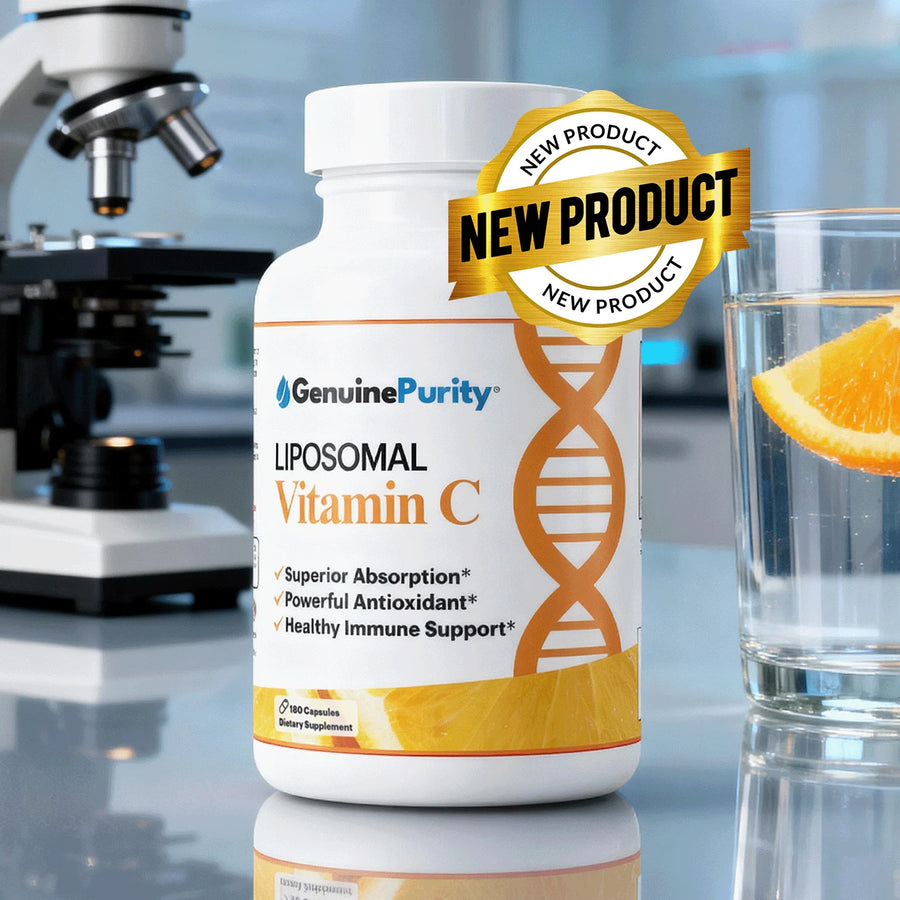
Choosing a high-quality liposomal vitamin C supplement can feel overwhelming, especially when the market is saturated with countless options. Liposomal technology promises superior absorption, but not every product lives up to that claim. Understanding the science, evaluating manufacturing standards, and knowing what to look for on the label are essential steps to ensure you buy liposomal vitamin c with confidence. This guide walks you through the most important criteria, helping you pinpoint the best liposomal vitamin c capsules for your health goals.
Why Liposomal Delivery Matters
Liposomal encapsulation surrounds vitamin C molecules with phospholipid vesicles, protecting them from the harsh environment of the stomach and allowing a larger percentage to reach the bloodstream intact. Traditional powdered or tablet forms often suffer from poor bioavailability, with as little as 10-20% absorbed. In contrast, well-formulated liposomal products can achieve absorption rates of 50-70% or higher, delivering more antioxidant power where it’s needed most.
Key Factors to Evaluate When Selecting Liposomal Vitamin C Capsules
1. Phospholipid Quality and Source
- Look for phosphatidylcholine derived from non-GMO, non-irradiated soy or sunflower seeds.
- High-purity phospholipids (typically >”?95%) reduce the risk of contaminants and improve vesicle stability.
- Certificates of analysis (COA) from third-party labs are a strong indicator of quality.
2. Vitamin C Concentration per Serving
- Effective doses usually range from 500″?mg to 1,500″?mg per serving, depending on individual needs.
- Check that the label specifies the amount of ascorbic acid encapsulated, not just the total weight of the capsule.
3. Encapsulation Efficiency
- Encapsulation efficiency (EE) reflects the percentage of vitamin C actually trapped inside liposomes.
- Products boasting an EE of 70% or higher are considered premium.
4. Shelf Stability and Storage
- Properly formulated liposomal capsules should remain stable at room temperature for at least 12-18 months.
- Avoid products that require refrigeration unless explicitly stated, as this may indicate a less robust formulation.
5. Additives and Fillers
- Prefer formulations free from artificial colors, flavors, and unnecessary binders.
- Common benign fillers include microcrystalline cellulose and magnesium stearate; excessive use can dilute potency.
Understanding Labels and Certifications
Regulatory oversight for dietary supplements varies by region, making third-party verification crucial. Look for the following certifications:
- NSF Certified for Sport – guarantees no prohibited substances.
- GMP (Good Manufacturing Practices) – ensures consistent production quality.
- Non-GMO Project Verified – confirms the source of phospholipids and other ingredients.
These marks provide additional reassurance that the product meets high standards of safety and efficacy.
How to Assess Product Reviews and Reputation
Consumer feedback can reveal real-world performance. When scanning reviews, pay attention to:
- Consistency of positive comments about absorption and energy levels.
- Specific mentions of side effects or gastrointestinal discomfort.
- Transparency from the brand regarding sourcing and testing.
Balanced reviews that discuss both strengths and minor drawbacks often indicate a trustworthy product.
Pricing Considerations
While cost should not be the sole determinant, extremely low prices can signal compromised quality, such as sub-par phospholipids or reduced encapsulation efficiency. A reasonable price range for a reputable 30-day supply of high-quality liposomal vitamin C capsules typically falls between $30 and $60. Comparing price per milligram of encapsulated vitamin C can help you gauge value more accurately.
Putting It All Together: A Quick Checklist
- Verified source of phospholipids (non-GMO, high purity).
- Encapsulation efficiency ???”?70%.
- Clear dosage information for encapsulated vitamin C.
- Third-party testing results available.
- Minimal additives and no unnecessary fillers.
- Positive, detailed customer reviews.
- Reasonable price per effective dose.
Where to Find Reliable Options
Brands that consistently meet these criteria often feature the best vitamin c supplement on their product pages, providing comprehensive lab reports and transparent sourcing information. When you’re ready to make a purchase, searching for liposomal vitamin c capsules that align with the checklist above will streamline the decision-making process.
Final Thoughts
Investing in a high-quality liposomal vitamin C supplement can significantly boost antioxidant defenses, support immune function, and improve overall vitality. By focusing on phospholipid purity, encapsulation efficiency, transparent labeling, and reputable third-party certifications, you can confidently buy liposomal vitamin c that delivers on its promise. Remember, the best choice is the one that aligns with your health goals, budget, and confidence in the product’s manufacturing integrity.