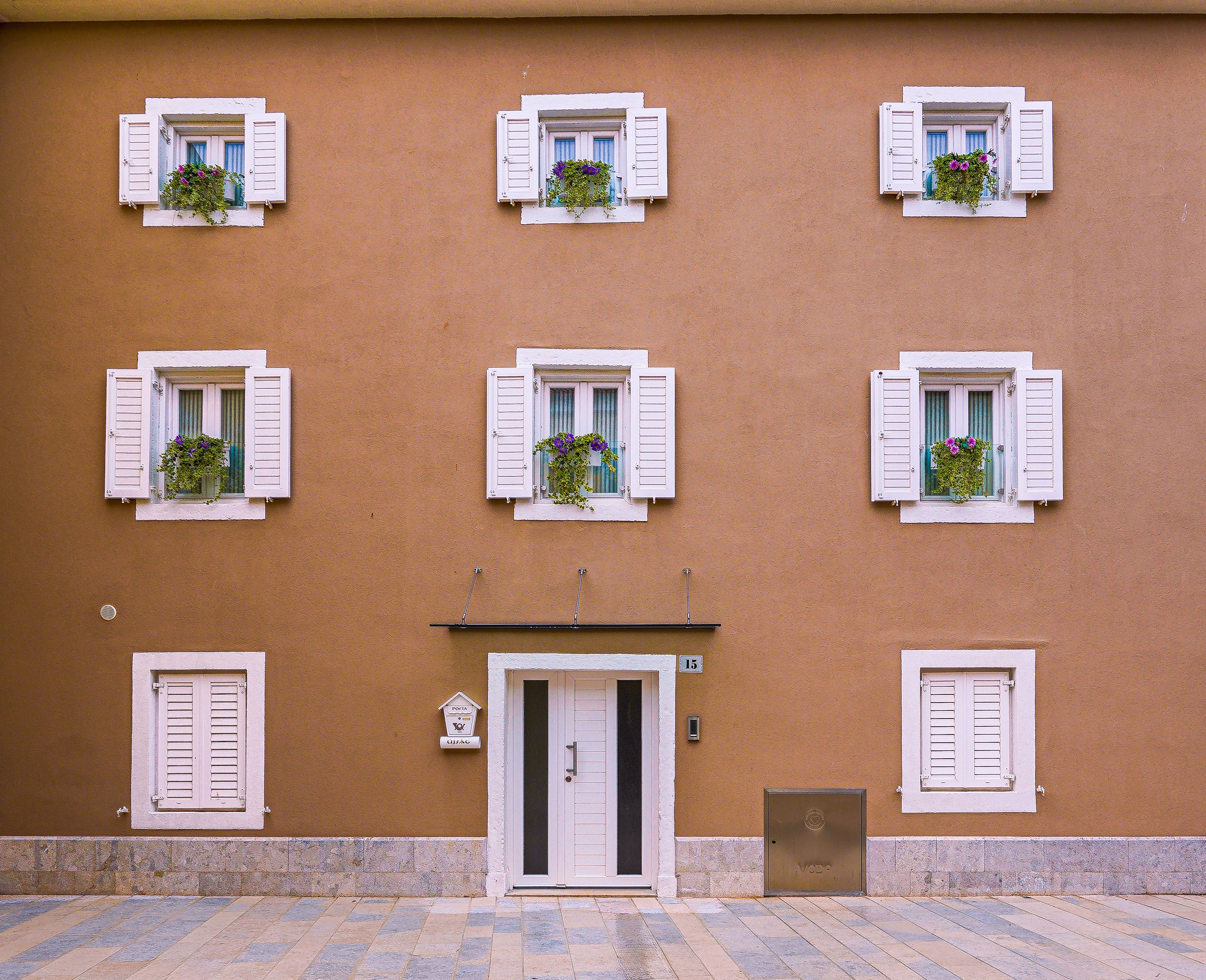
In recent years, Croatia has witnessed significant advancements in building joinery design, driven by innovation and a growing focus on sustainability. This evolution is not just a testament to the country’s architectural ingenuity but also reflects a broader global shift towards more environmentally conscious and efficient building practices. The trends emerging from Croatia’s joinery sector highlight a blend of traditional craftsmanship and modern technology, offering an exciting glimpse into the future of construction and design.
Emphasis on Sustainable Materials
One of the most prominent trends in Croatian building joinery is the use of sustainable materials. As awareness of environmental issues grows, there is a significant push towards utilizing materials that have minimal ecological impact. Some key materials include:
- Bamboo and Reclaimed Wood: These materials are not only sustainable but also add a unique aesthetic value to joinery designs.
- Recycled Aluminum and Steel: Increasingly favored for their durability and recyclability, these metals are becoming a mainstay in modern joinery.
- Biodegradable Composites: These are gaining popularity for their innovative approach to reducing waste and enhancing sustainability.
Advanced Technology Integration
The integration of technology into building joinery has revolutionized the industry in Croatia. By adopting cutting-edge technologies, the sector is meeting the demands for efficiency and precision in construction. Notable technological advancements include:
- 3D Printing: This technology allows for the creation of intricate designs and components with unprecedented accuracy and speed.
- Smart Joinery Systems: Equipped with sensors and IoT technology, these systems enhance functionality and energy efficiency.
- CAD and CAM Software: These tools are essential for digital design and manufacturing, streamlining the production process.
Focus on Energy Efficiency
Energy efficiency is a critical consideration in modern joinery design. The drive towards reducing energy consumption has led to the adoption of several innovative practices, such as:
- Insulated Glazing: Advanced window systems that improve thermal insulation, reducing energy costs.
- Passive House Standards: Joinery designs that comply with passive house principles, focusing on airtightness and minimal energy usage.
- Solar Integration: Incorporating solar panels into joinery structures to harness renewable energy directly.
Customization and Aesthetic Appeal
In addition to functionality, aesthetic appeal remains a significant driver in the window & door installation market. Croatian designers are increasingly offering bespoke solutions that cater to individual client preferences, characterized by:
- Tailored Designs: Custom joinery that reflects personal style and complements architectural themes.
- Variety of Finishes: From rustic to modern, a wide array of finishes is available to match diverse design preferences.
- Innovative Textures and Patterns: Use of new techniques to create visually striking and unique joinery elements.
Conclusion
The trends in building joinery design in Croatia highlight a dynamic interplay between tradition and innovation. As the industry continues to evolve, the focus on sustainability, technology, energy efficiency, and customization ensures that Croatia remains at the forefront of global architectural design. These trends are not only shaping the current landscape but also paving the way for future developments that promise to revolutionize the construction sector. As these practices gain traction, they are setting new standards for excellence and sustainability in the field of joinery.