With the cost of living on the rise, finding effective ways to reduce utility bills is more important than ever. Energy expenses can constitute a significant portion of household budgets, but with informed strategies, it is possible to manage and lower these costs. This article provides expert advice on optimizing energy usage and minimizing utility expenses, ensuring a more sustainable and economical approach to energy consumption.
Understanding Your Energy Consumption
To effectively reduce energy bills, it is crucial to first understand where and how energy is being used within your household. Conducting an energy audit can help identify areas of excessive energy consumption and potential savings. For more detailed guidance on performing an energy audit, read more about this topic.
Implementing Energy-Efficient Practices
Lighting
- Replace incandescent bulbs with LED or CFL bulbs, which use significantly less energy.
- Utilize natural light during the day to minimize the need for artificial lighting.
- Consider installing motion sensors or timers to ensure lights are only on when needed.
Heating and Cooling
- Invest in a programmable thermostat to better manage heating and cooling schedules.
- Ensure that your home is well-insulated to prevent heat loss in winter and keep cool air in during summer.
- Regularly maintain HVAC systems to ensure they operate efficiently.
For more comprehensive tips on improving heating and cooling efficiency, learn more in this detailed guide.
Adopting Renewable Energy Solutions
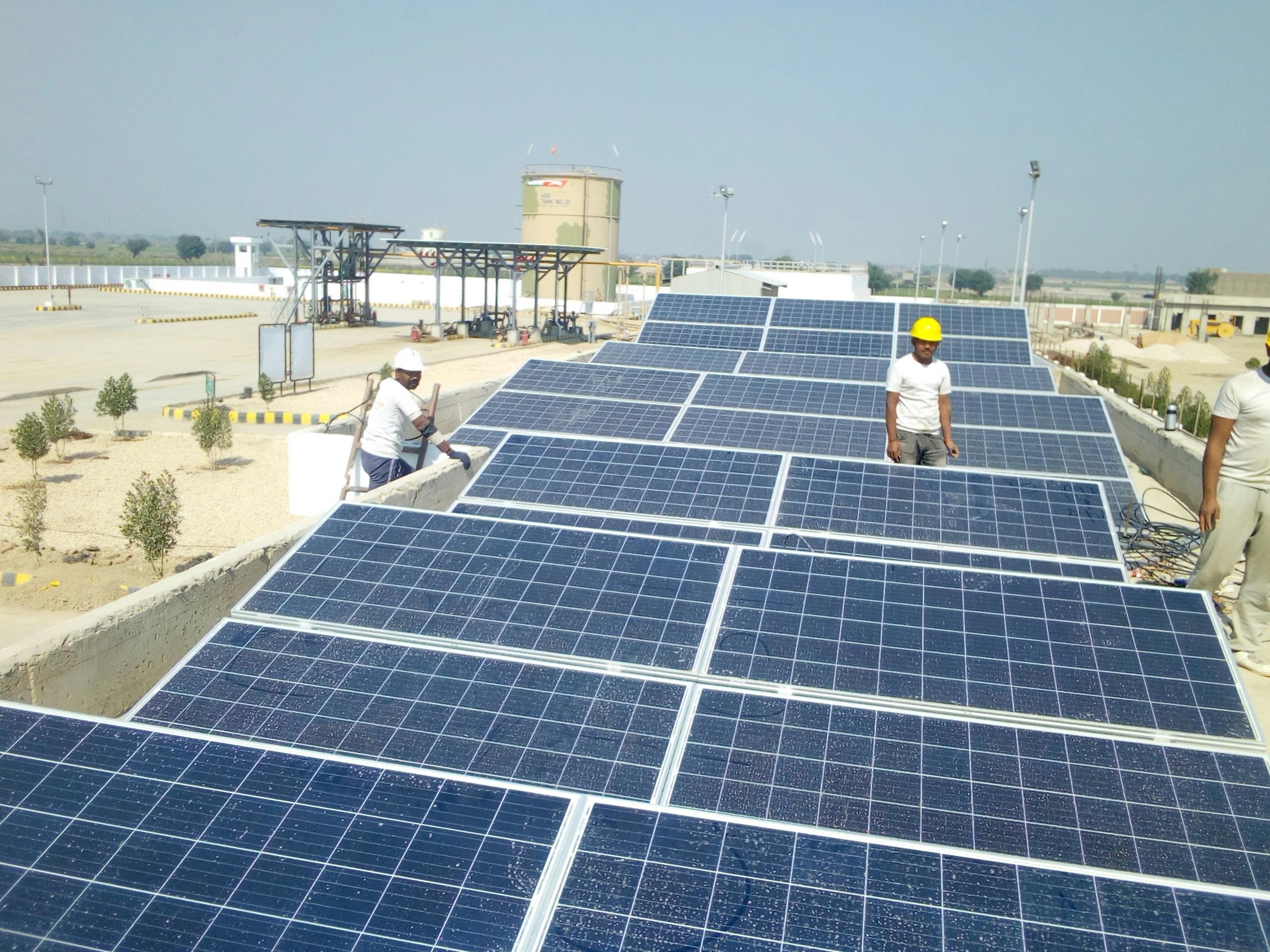
Exploring renewable energy options is another effective way to reduce utility bills. Solar panels, for instance, can significantly decrease reliance on traditional energy sources and lower monthly expenses. Additionally, they contribute to a more sustainable environment. Explore further insights here on integrating renewable energy solutions into your home.
Smart Technology Investments
Smart home devices offer innovative solutions for reducing energy consumption. Consider the following:
- Smart thermostats that learn your schedule and adjust temperatures accordingly to save energy.
- Smart plugs that allow you to control devices remotely, ensuring they are turned off when not in use.
- Smart meters that provide real-time data on energy usage, helping to identify opportunities for savings.
Find additional information on how smart technologies can help manage energy usage by visiting this resource.
Behavioral Changes for Energy Conservation
Simple behavioral changes can also contribute significantly to reducing energy bills. Encourage household members to:
- Turn off lights when leaving a room.
- Unplug devices when not in use to avoid phantom energy consumption.
- Utilize energy-efficient settings on appliances like washing machines and dishwashers.
For further tips on behavioral changes that can lead to energy savings, find additional information here.
Conclusion
Reducing utility bills and optimizing energy usage is achievable through a combination of understanding consumption patterns, implementing energy-efficient practices, adopting renewable energy solutions, investing in smart technologies, and making conscious behavioral changes. By taking these steps, households can not only lower their expenses but also contribute to a more sustainable future. For more expert energy advice, consider exploring additional resources available here.